
Should You Film Your Podcast?
A filmed podcast episode from The Bible Show explores the historical world of Jesus’ birth and the Gospel of Matthew through engaging video podcast production.
Audio-only podcasts are easy to start and easy to ignore. They live on Apple Podcasts and Spotify, they reach the people who already subscribe, and then they sit there. The shows that are actually growing in 2026 are filmed - not because video is trendy, but because a filmed taping isn’t one piece of content. It’s a factory. One session in a room with a couple of cameras produces the full episode, a trailer, and a month’s worth of short clips that live where new audiences actually spend their time: Instagram, TikTok, YouTube, and LinkedIn feeds.
If you’ve been on the fence about filming, here’s the honest case for it, what a real setup requires, and how to make sure the footage earns its keep instead of sitting on a hard drive.
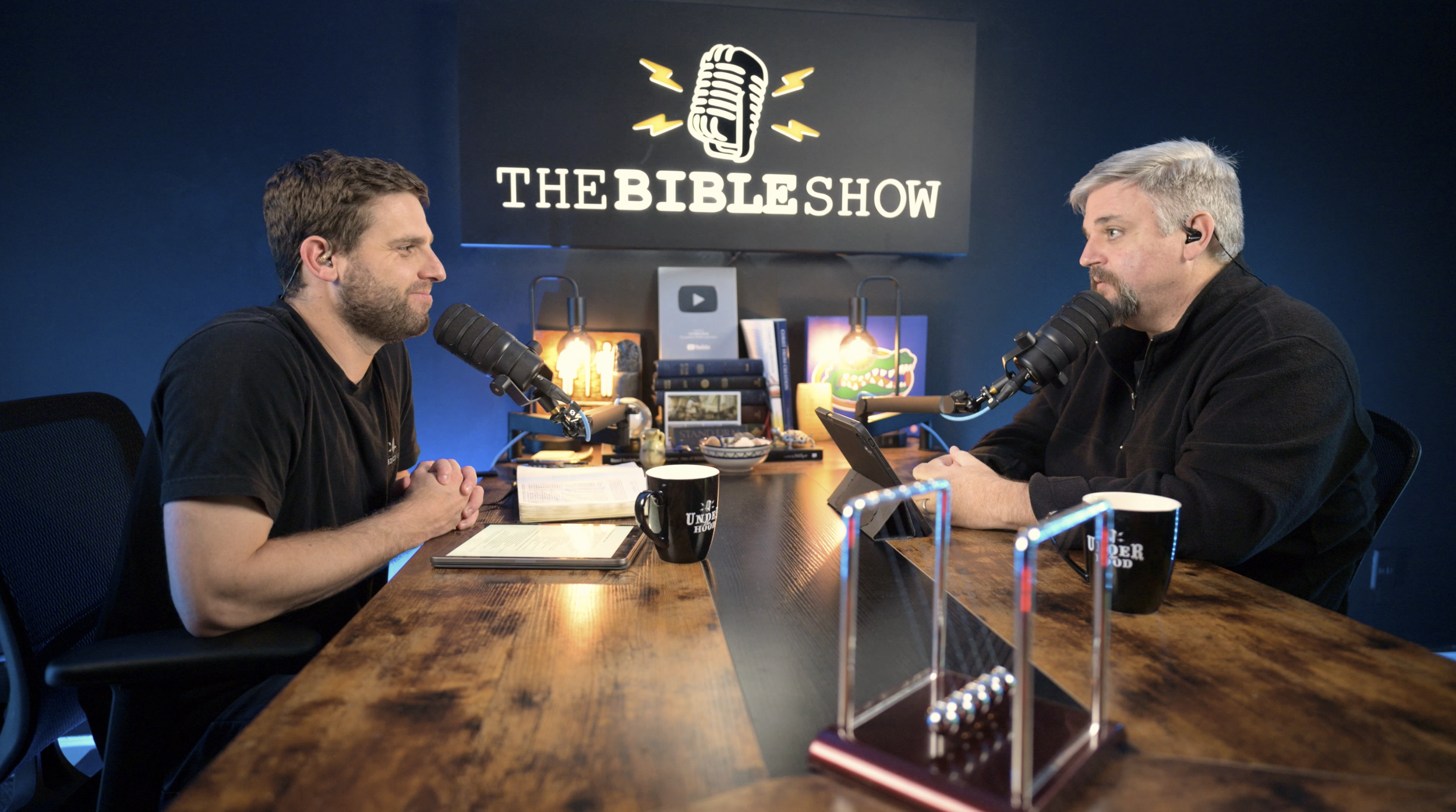
Professional studio lighting, balanced two-host framing, and high-quality audio elevate The Bible Show’s video podcast production.
Why video changes the math:
An audio episode reaches your existing subscribers and basically nobody else. There’s no thumbnail to stop a scroll, no clip to share, no moment someone can screenshot. A filmed episode flips that. From a single recording you get the long-form video for YouTube, plus ten to twenty vertical clips you can post for weeks - each one a doorway back to the full show.
That’s the real reason to film, distribution. Podcasts don’t have a content problem, they have a discovery problem, and short video is the most efficient discovery engine available right now. When a 45-second clip of a sharp answer gets shared, it pulls in listeners who would never have found the audio feed on their own. You’re not making a video podcast so much as turning every taping into a marketing campaign.
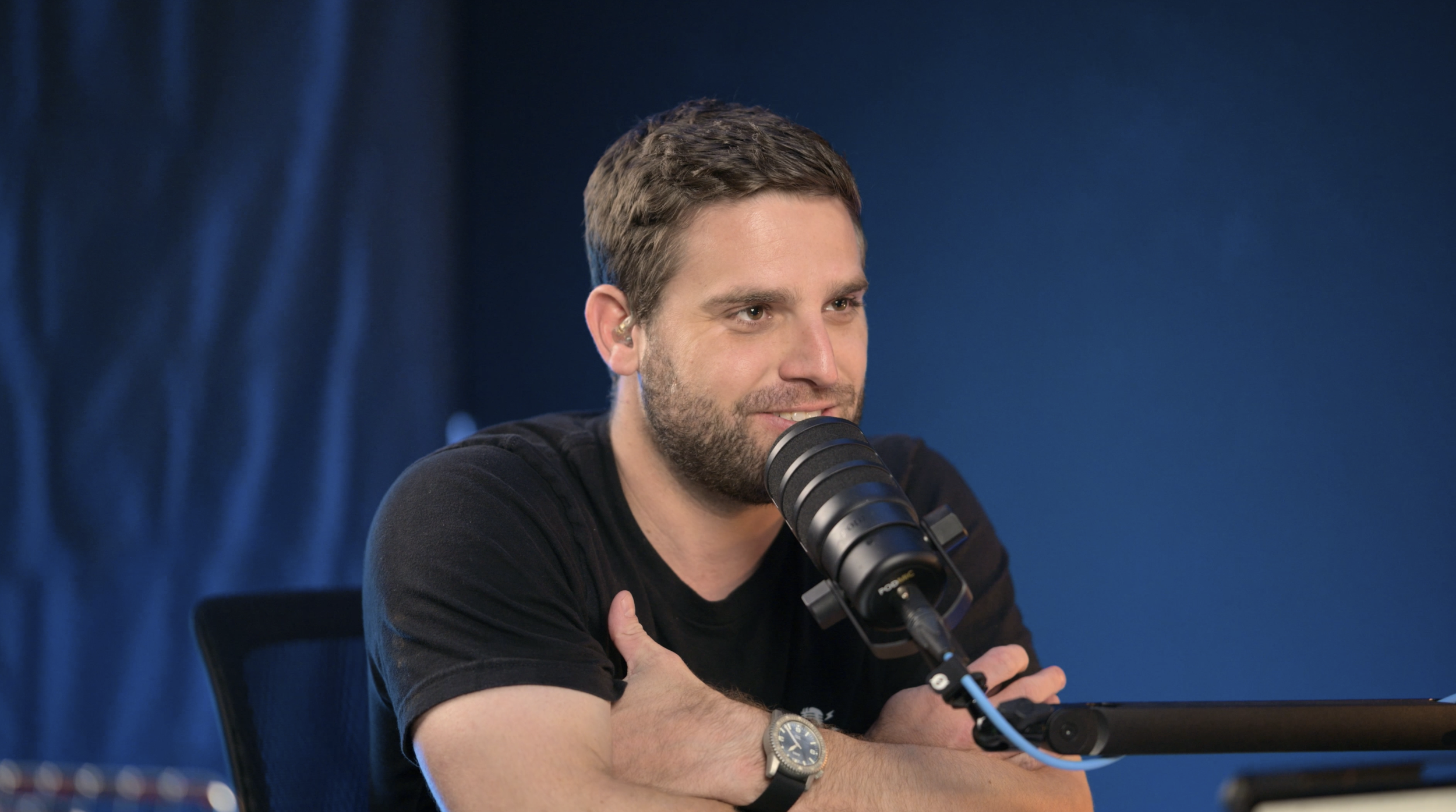
Professional podcast lighting and multiple camera angles create a polished look that elevates The Bible Show’s video podcast production and keeps viewers engaged.
What a real video podcast setup needs:
Filming well is more than pointing a webcam at a desk. The difference between a show that looks credible and one that looks like a hostage video comes down to a few fundamentals.
Multiple cameras: At least two - one on the host, one on the guest, and ideally a wide shot too. Cutting between angles is what keeps a 60-minute conversation watchable and what makes clips feel dynamic instead of static.
Proper lighting: Faces should be lit intentionally, not by whatever overhead fluorescents happen to be on. Good lighting is the single biggest visual upgrade and the thing amateurs skip most often.
Clean, separate audio per person: This is non-negotiable. Each speaker gets their own mic on their own track, so a single voice can be isolated, leveled, and cleaned up later. Bad audio kills a video podcast faster than bad video - people will forgive a soft image, but they’ll click away from an uneven mix in seconds.
A plan for the room: Background, framing, and on-screen branding. None of it has to be elaborate, but it should be deliberate so every episode looks like the same show.
Most teams don’t want to assemble and operate all of that themselves - which is exactly where bringing in a crew pays off. We handle the cameras, lighting, and audio so the host can focus on the conversation.
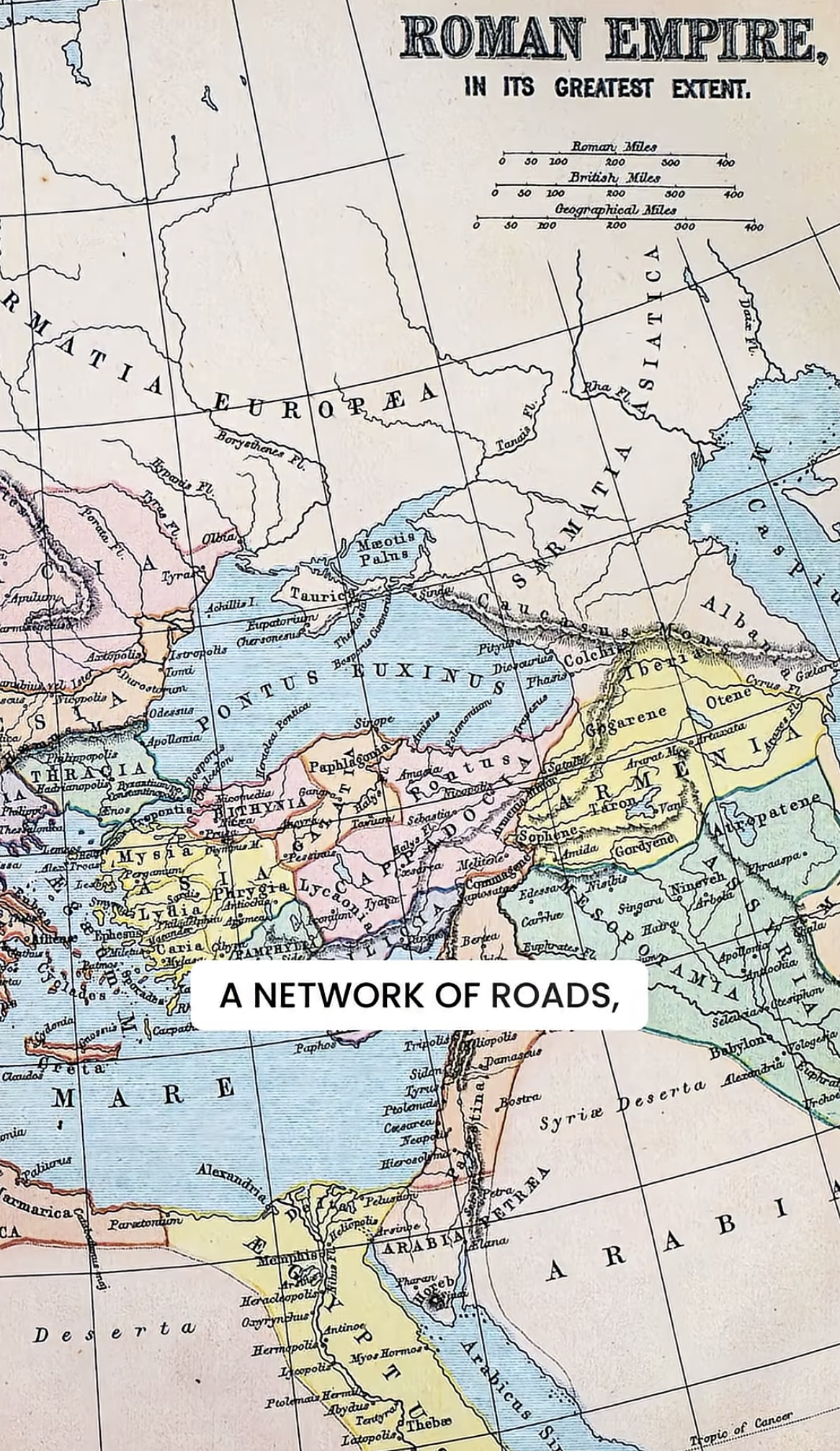
A short from the The Bible Show podcast episode, showcasing how we optimize good clips for repurposing of content.
Plan the clips before you record:
The biggest mistake we see is treating the edit as an afterthought. The shows that get the most out of each taping decide what they want to pull before the cameras roll. We tag standout moments live as they happen - a sharp take, a surprising stat, a genuine laugh, a strong one-liner - so the best soundbites are easy to find afterward instead of buried in an hour of footage.
Recording with the cutdowns in mind also shapes how you shoot: leaving clean pauses, getting a strong open and close, and making sure the guest restates the question so a clip makes sense out of context. Small habits at capture save hours in the editing and produce sharper clips.
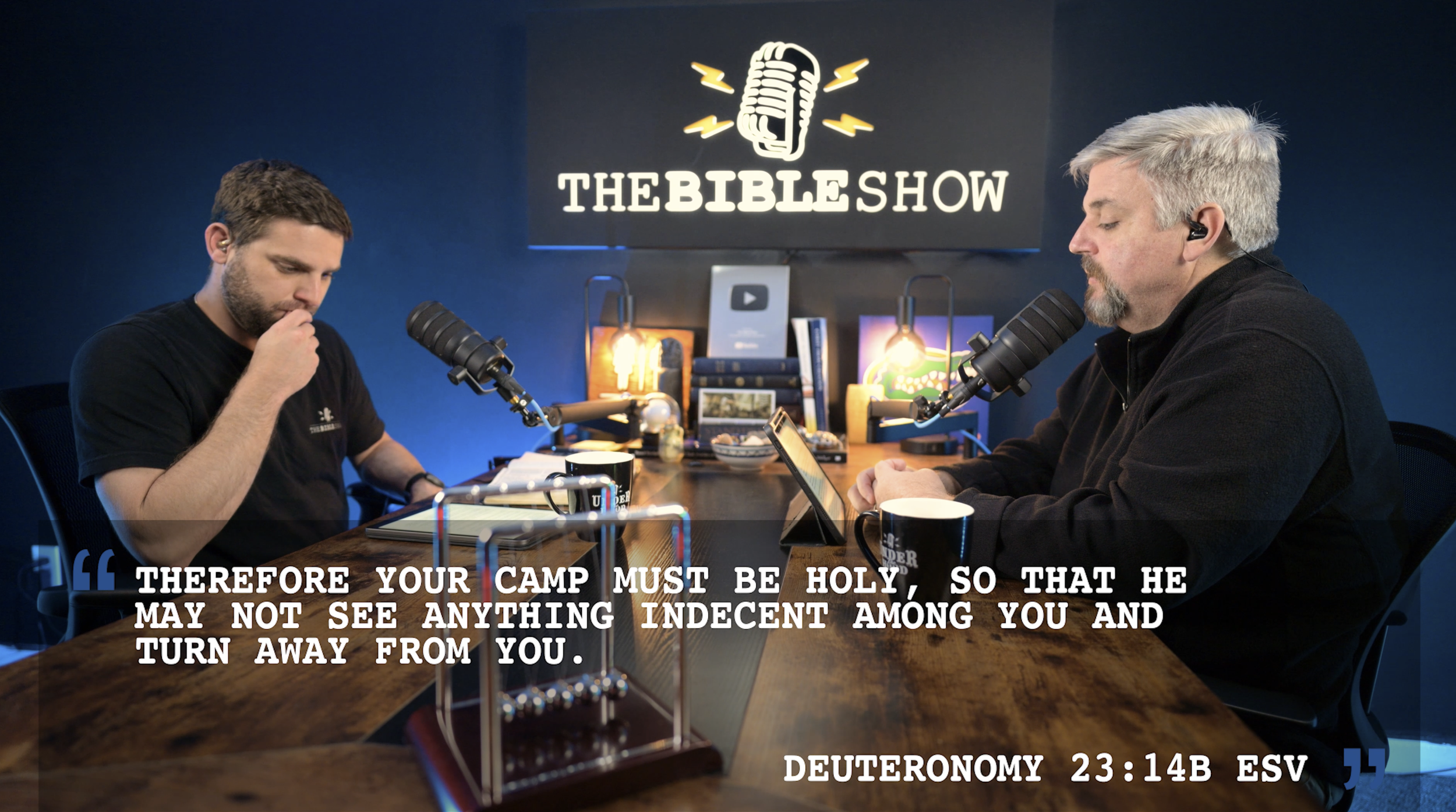
On-screen scripture text graphics elevate The Bible Show’s video podcast production, making key Bible passages more engaging and accessible.
Turnaround that keeps you consistent:
Video has a reputation for taking forever, and a podcast that publishes an episode three weeks late loses its rhythm. We treat turnaround as part of the product: we deliver the full episode plus a first batch of clips quickly, so you can publish on schedule and start feeding your social calendar from the same session. Consistency is what builds a podcast audience, and you can’t be consistent if your content is always stuck in post-production.
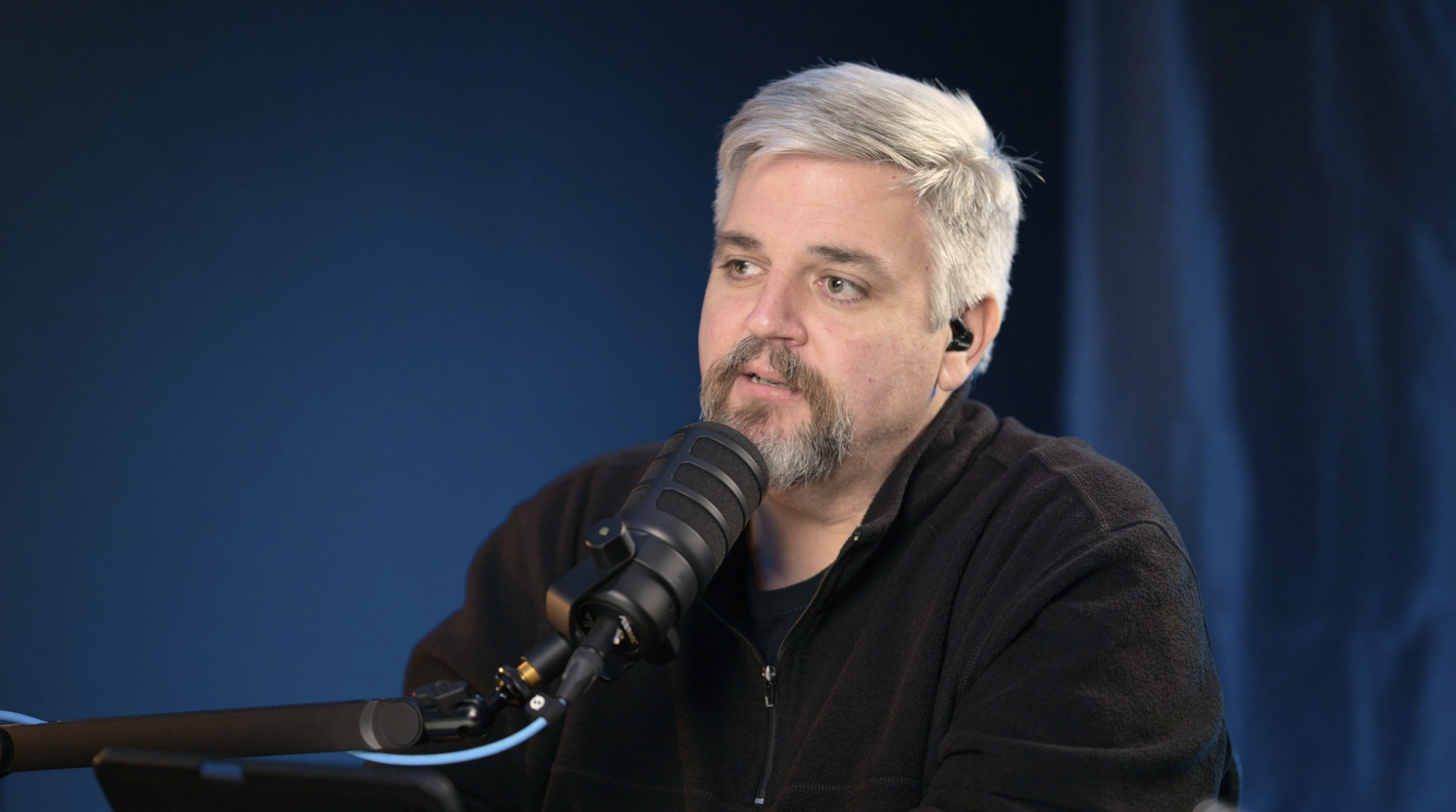
Close-up camera angles and professional studio audio bring The Bible Show’s video podcast production to life.
One team, taping to clips:
The team filming your podcast is the same team that handles your event photo, video, and social content - so everything shares one look and one point of contact. We shoot it, cut it, caption it, and deliver it, and because we already know your brand, each batch feels like part of one campaign rather than a pile of random uploads.
Frequently asked questions:
Do I need a studio to film a podcast?
No. We bring a multi-camera setup to your office or a location of your choice, so you don’t need to rent or build a studio to get a polished result.
How many clips can I get from one taping?
Usually 10 to 20 short vertical clips plus the full episode - enough to post several times a week for about a month.
What’s the most important technical detail?
Clean, separate audio for each speaker. It’s the thing that most separates a professional video podcast from an amateur one, and it can’t be fixed well after the fact.
How fast is turnaround?
We deliver the episode and a first batch of clips quickly so you can publish on schedule, then roll out the rest of the clips over the following weeks.
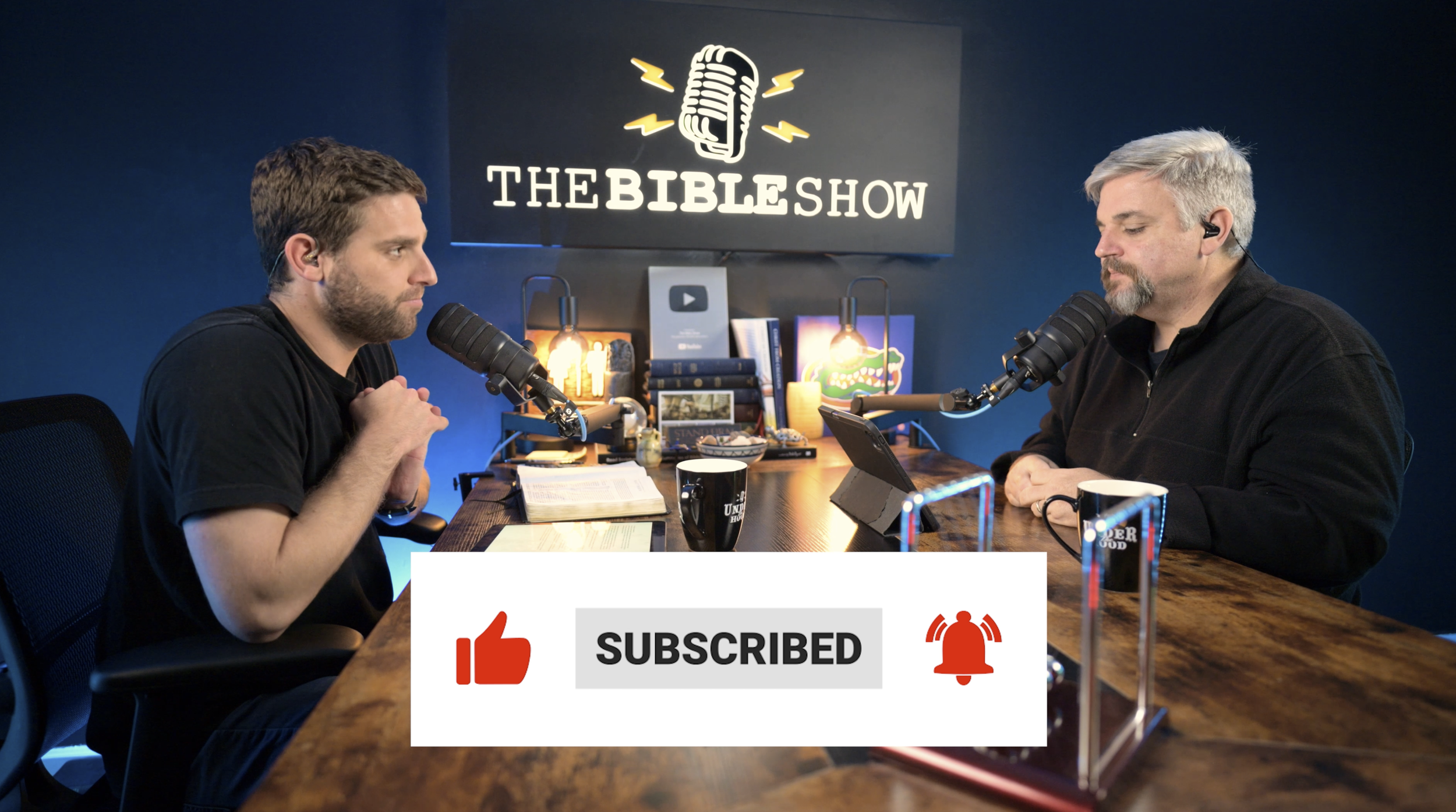
A moving subscribe graphic boosts The Bible Show’s video podcast engagement, capturing viewers’ attention and encouraging likes, subscriptions, and notifications.
Book your podcast taping:
If you’re producing a podcast - or thinking about starting one, filming it is the highest-leverage decision you can make. Lalani Media films and repurposes podcasts across South Florida, built for a month of clips, not just one episode.
Inquire below about podcast filming:
